

Strategy
Chess Classic
Play a full game of chess against the computer or a friend, right in your browser with no account needed.
Mobile tip: Rotate to landscape before pressing play. Use Play Fullscreen if the game feels cramped.
Touch controls enabled
Drag to aim
Release to throw
Release to throw
Player Challenge
Try a Focused Run
Play Chess Classic for five focused minutes, then try one cleaner run with fewer mistakes.
Not completed yet.
Playability Check
How did this run feel?
One tap helps prioritize fixes for loading, controls, and speed.
Keep Playing
Recommended Next
A quick path into another run after this game.
Continue Playing
Recently Played
Jump back into games you opened recently on this device.
Open a few games and your recent history will show up here.
Why You'll Like Chess Classic
Chess as it is played today is roughly 500 years old. The game descends from chaturanga in 6th-century India, picked up the rook and bishop names through Persian shatranj, and reached its modern form in southern Europe around 1475 — that is when the queen and bishop got their long-range moves. Before then the queen could only step diagonally one square; everything aggressive about modern chess is a Renaissance-era redesign of a much slower medieval game.
This browser build is a single-file HTML5 implementation, about 220 lines of vanilla JavaScript. It supports the full ruleset most casual players need: castling (kingside and queenside, with the standard king-not-in-check restrictions), en passant captures, and automatic queen promotion when a pawn reaches the back rank. Click a piece to highlight legal moves, then click a destination — illegal moves and self-checks are filtered automatically.
The AI is intentionally simple. Toggle ‘vs AI’ on and the engine plays a one-ply greedy search: it scores every legal reply by the value of the piece it would capture (pawn 1, knight 3, bishop 3, rook 5, queen 9, king 100), adds a small random tiebreaker, and picks one of the top three options at random. There is no minimax, no positional evaluation, no opening book. That has two practical consequences. The AI will eat any free piece you offer instantly, but it cannot see two-move tactics — fork it, pin it, or set a queen-trap with a hanging piece as bait, and it walks straight in. For casual play and teaching beginners how pieces move it is exactly enough; if you want a serious sparring partner, you will outgrow it in an evening.
Chess Classic rewards patience because every move changes both your options and your opponent’s options. Beginners often chase the first capture they see, but stronger play asks what the board will look like after the exchange. Good moves increase mobility, protect important pieces, and create threats that cannot all be answered at once.
For players arriving from search, the practical question is how to make the next attempt better. In Chess Classic, that usually means focusing on piece activity, forcing moves, and long-term board control. The more you understand that core loop, the less the game feels random and the more each restart becomes useful practice.
Strategy notes
Before committing to a capture or attack, check the reply. If your move improves your opponent’s position or removes your own defender, slow down and find a move that keeps pressure without giving away control.
How to Play
- The Objective: Checkmate your opponent’s King — put it under attack with no legal way to escape.
- Select & Move: Click a piece to see its legal moves highlighted, then click a destination square. Illegal moves are filtered out automatically.
- Special Moves: Castling (kingside or queenside) works when the king and chosen rook have not moved and the king is not in or moving through check. En passant captures trigger automatically when the geometry is right.
- Promotion: A pawn that reaches the back rank promotes automatically to a queen — there is no underpromotion option in this build.
- AI Toggle: Use the ‘vs AI’ button to switch between human-vs-human (hot-seat) and human-vs-computer.
Tips and Strategy
- Develop active pieces before forcing trades.
- Check what your opponent can do immediately after your move.
- Do not grab material if it leaves a more important piece exposed.
- Control central or high-mobility squares whenever possible.
- Convert an advantage slowly; avoid rushing when you are already ahead.
More Ways to Play
Browse Related Collections
Keep exploring by play style, controls, and search intent connected to Chess Classic.
Free Browser Games
Play free browser games that open directly in the page, with quick starts, clear categories, and no launcher required.
29 gamesNo Download Games
Find games you can play online without downloads, installs, app stores, or separate launchers.
29 gamesHTML5 Browser Games
Browse HTML5 browser games that run through modern web technology instead of plugins or native launchers.
29 gamesPuzzle Games Online
Play online puzzle games built around logic, numbers, words, matching, planning, and careful problem solving.
14 gamesKeep Exploring
Similar Games
Looking for more Strategy games? These pages are the closest next clicks from here.
Puzzle
Tic-Tac-Toe Duel
Claim the center, force the line, and finish a quick browser duel before the grid locks up.
Baseline Pass
Puzzle
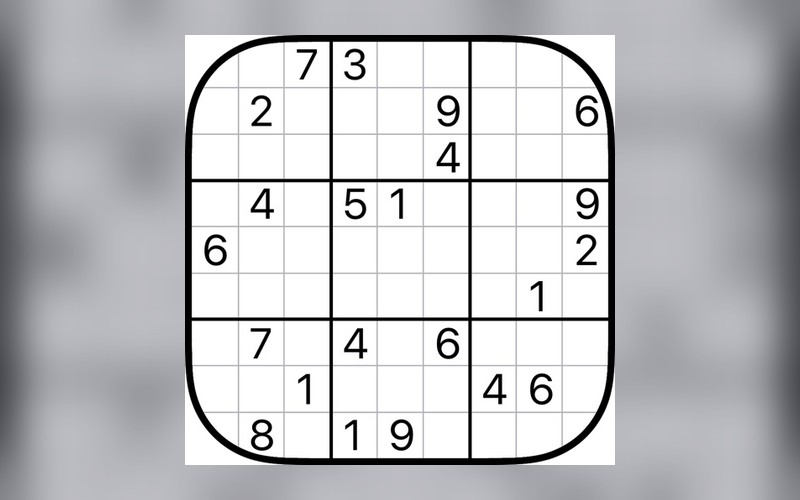
Sudoku Classic
Fill the grid, test every number carefully, and solve a classic logic puzzle with clean deduction.
Editor Pick

Puzzle
Minesweeper Classic
Uncover safe squares, read the numbers, flag the mines, and clear the board without detonating anything.
Editor Pick
Puzzle
Sokoban Puzzle
Push every crate onto its target square without getting stuck — each move matters and there is no pull.
Baseline Pass
Puzzle
Crossword Classic
Fill the crossword grid, solve clue by clue, and complete a classic browser word puzzle.
Baseline Pass
Puzzle
Solitaire Classic
Sort the deck, build clean stacks, and work through a classic browser solitaire layout.
Editor Pick
Community
Player Reviews
FAQ
Common Questions
How strong is the chess AI in this version?
Very weak by chess engine standards. It runs a one-ply greedy search — it scores each immediate move by the piece it would capture (pawn 1, knight 3, bishop 3, rook 5, queen 9) plus a small random factor, then picks one of the top three options. There is no lookahead, so almost any two-move tactic (fork, pin, discovered attack, or a hanging-piece trap) wins.
Can two people play on the same screen?
Yes. Leave 'vs AI' off and the board hot-seats — White moves, then Black moves on the same display. Castling, en passant and promotion all work the same way they do against the computer.
Does the game support all the special moves?
Castling (both sides) and en passant are fully supported. Pawn promotion auto-promotes to a queen, so there is no underpromotion choice — you cannot promote to a knight for a smother mate in this build.
Is there a takeback or undo button?
No. The build does not store move history, so once you click a destination square the move commits. If you want to retry a position, hit New Game.
What ends the game besides checkmate?
Stalemate is detected and shown as a draw. Threefold repetition, the 50-move rule and insufficient material are not detected automatically — those games can drag on forever, so in casual play just agree to a draw and start over.