

Action
Asteroids Classic
Thrust, rotate, and shoot drifting space rocks before they split into smaller, faster fragments.
Mobile tip: Rotate to landscape before pressing play. Use Play Fullscreen if the game feels cramped.
Touch controls enabled
Drag to aim
Release to throw
Release to throw
Player Challenge
Try a Focused Run
Play Asteroids Classic for five focused minutes, then try one cleaner run with fewer mistakes.
Not completed yet.
Playability Check
How did this run feel?
One tap helps prioritize fixes for loading, controls, and speed.
Keep Playing
Recommended Next
A quick path into another run after this game.
Next Game
Orbital Hook
Play Orbital Hook, a one-touch space swinging game where you hook planets, release into slingshots, collect crystals, pass neon gates, and chase a long-distance high score.
ActionPlayOrbita Daily
Moon Bubble Pop
Play Moon Bubble Pop for five focused minutes, then try one cleaner run with fewer mistakes.
Daily challengeContinue Playing
Recently Played
Jump back into games you opened recently on this device.
Open a few games and your recent history will show up here.
Why You'll Like Asteroids Classic
Asteroids was designed by Lyle Rains and Ed Logg at Atari and released in arcades in November 1979. It was Atari’s best-selling arcade cabinet, displacing Space Invaders in North America within months — over 70,000 units sold during its peak. The visual style is its biggest historical signature: instead of the raster sprite graphics that dominated the era, Asteroids used a vector display that drew lines directly with electron beams. That gave the rocks and the ship the distinctive thin-line look you cannot quite replicate with pixel art, and it is the reason the game was monochrome — vector tubes did not do colour cheaply in 1979.
The game’s design rests on a single principle: Newtonian inertia in a wraparound 2D space. Your ship has no friction. Thrust applies an acceleration; once you stop thrusting, you keep moving. Stopping requires turning 180 degrees and counter-thrusting until your net velocity is zero. Every floating asteroid follows the same rule: linear momentum, no drag, infinite continuation until something hits it. That single physics decision is what makes Asteroids feel different from every later shooter — you are not ‘driving’, you are managing momentum.
This browser build, around 190 lines, follows the original closely. You start each life with 3 lives total and a 120-frame invulnerability window after spawning. Each level seeds 4 large asteroids initially; clearing one starts the next level with one more (level 2 = 5 large rocks, level 3 = 6, etc.). Big asteroids split into 2 medium pieces at 55% size when shot, mediums split into smalls, and smalls vanish for points. The screen wraps in both axes — fly off the right edge, re-enter on the left — and so do your bullets, which means a shot fired off the top of the screen will eventually appear at the bottom and can damage you on its way back if you have moved into its path. Two arcade features deliberately left out of this build: there is no hyperspace teleport (the original had a panic button that randomly relocated your ship, with a small chance of materialising inside a rock), and there are no UFO enemies (the small and large flying saucers that were the real difficulty escalator after you mastered asteroid management). What can kill you here is rocks and your own returning bullets — nothing else.
Asteroids Classic is won by staying alive long enough for your aim to matter. The screen often pressures you with enemies, projectiles, and pickups at once, so target priority is critical. Clearing the closest threat may be safer than chasing the highest-value enemy across the map.
For players arriving from search, the practical question is how to make the next attempt better. In Asteroids Classic, that usually means focusing on target priority, movement lanes, and survival spacing. The more you understand that core loop, the less the game feels random and the more each restart becomes useful practice.
Strategy notes
Keep a movement lane open before committing to sustained fire. If enemies surround you, move first, shoot second. When upgrades appear, collect them only if the path there does not collapse your escape route.
How to Play
- Rotate: Left and Right arrow keys spin your ship 360 degrees in place.
- Thrust: Up arrow (or the touch ▲ button) accelerates you in the direction you are facing. There is no friction — once you have momentum you keep it.
- Fire: Spacebar shoots a bullet from the ship’s nose. Bullets wrap the screen, so be careful where you point.
- Stopping: Rotate 180° and thrust against your current velocity until you stop. There is no brake.
- Splitting: Big asteroid → 2 medium pieces (55% size). Medium → 2 small. Small → vanishes for points. Each large rock takes 7 hits to clear completely.
Tips and Strategy
- Clear immediate threats before chasing bonus targets.
- Keep moving in wide arcs instead of stopping in the center of danger.
- Use corners and edges only when they give a clear escape path.
- Collect upgrades after checking that the route back is safe.
- Focus fire on enemies that restrict movement, not only enemies with high health.
More Ways to Play
Browse Related Collections
Keep exploring by play style, controls, and search intent connected to Asteroids Classic.
Free Browser Games
Play free browser games that open directly in the page, with quick starts, clear categories, and no launcher required.
29 gamesNo Download Games
Find games you can play online without downloads, installs, app stores, or separate launchers.
29 gamesHTML5 Browser Games
Browse HTML5 browser games that run through modern web technology instead of plugins or native launchers.
29 gamesArcade Games Online
Play arcade games online with quick restarts, simple goals, score chasing, timing, and replayable browser runs.
15 gamesKeep Exploring
Similar Games
Looking for more Action games? These pages are the closest next clicks from here.
Action
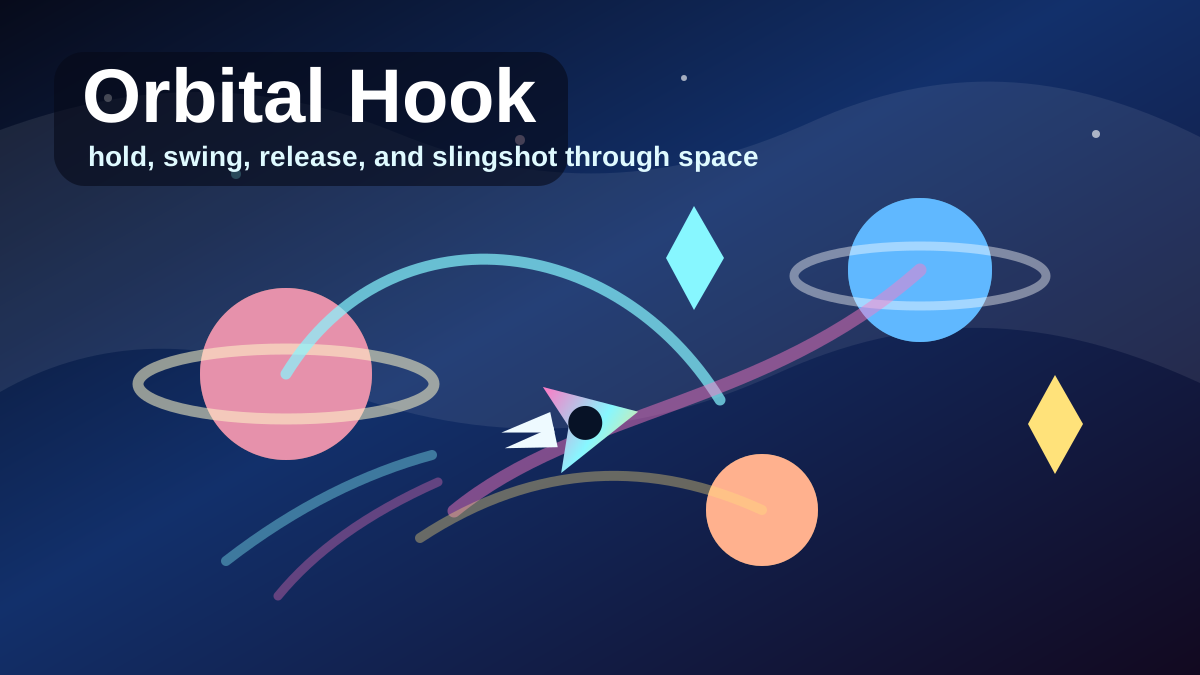
Orbital Hook
Play Orbital Hook, a one-touch space swinging game where you hook planets, release into slingshots, collect crystals, pass neon gates, and chase a long-distance high score.
Editor Pick
Action
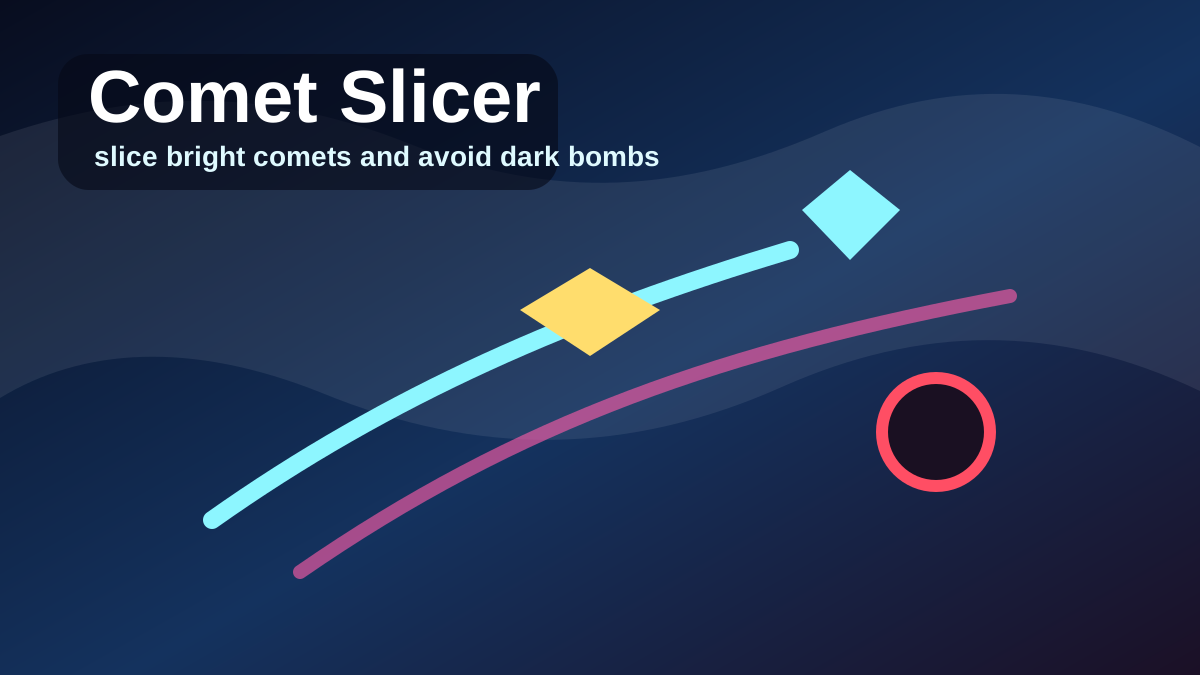
Comet Slicer
Play Comet Slicer, a fast cosmic slicing game where you cut bright comets, avoid dark bombs, build combo, and chase a sharp arcade high score.
Editor Pick
Action
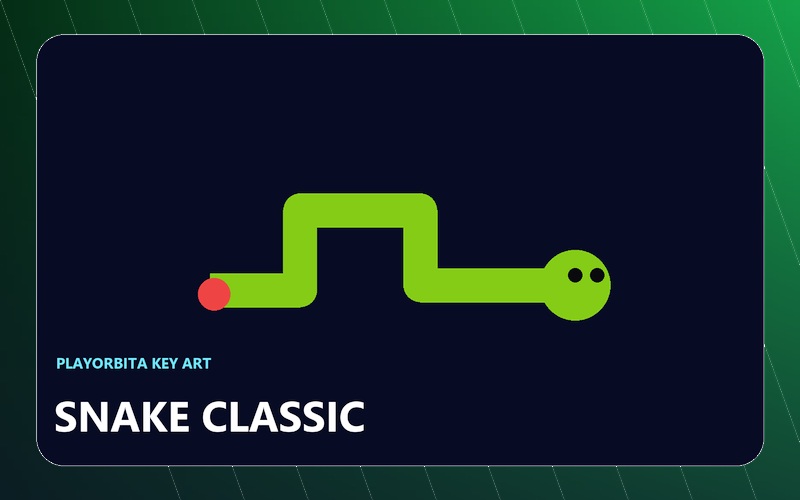
Snake Classic
Eat food to grow longer, avoid hitting your own tail, and see how big your snake can get.
Editor Pick
Action
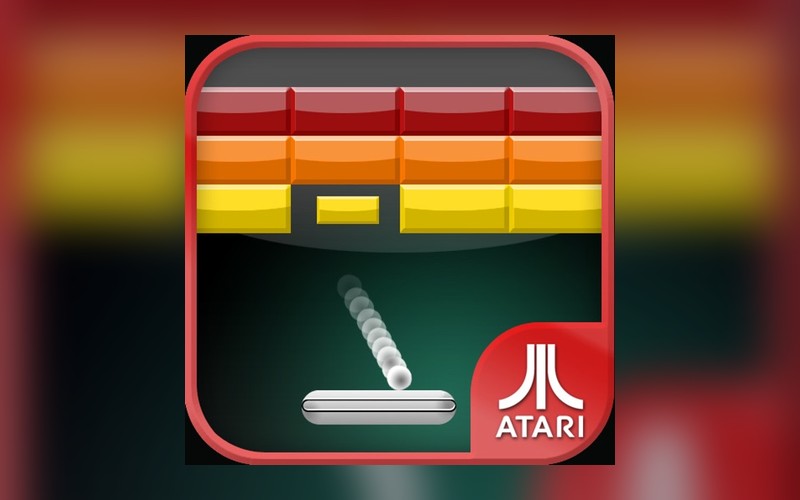
Breakout Retro
Bounce the ball off your paddle, smash through rows of bricks, and clear the board without losing a life.
Editor Pick
Action
Starfall Catcher
Play Starfall Catcher, a cozy arcade game where you slide a moon tray, catch falling stars, avoid hot meteors, and build a gentle high-score combo.
Editor Pick
Action
Neon Lane Rush
Play Neon Lane Rush, a fast three-lane reflex runner where you dodge neon blocks, collect cyan gems, build combo, and chase a short-session high score.
Editor Pick
Community
Player Reviews
FAQ
Common Questions
Why does my ship keep drifting after I stop thrusting?
Because Asteroids uses Newtonian physics with no friction. Thrust adds velocity; releasing thrust does not subtract it. To stop, rotate 180 degrees and thrust in the opposite direction until your net velocity is zero. That single rule is what makes Asteroids harder to control than any later 2D shooter — every other arcade game smooths out your input, but Asteroids commits to whatever motion you have added.
How does the screen wrap work?
Fly off any edge and you re-enter on the opposite side at the same speed and angle. The same rule applies to asteroids and to your bullets, so a shot fired off the top of the screen will eventually appear at the bottom and can damage you on its way back if you have moved into its path. Don't fire indiscriminately when the screen is empty — your own bullets can come back and hit you after wrapping.
How many asteroids spawn per level?
Level 1 starts with 4 large asteroids. Each level adds one (level 2 = 5, level 3 = 6, level 5 = 8). Each large asteroid splits into 2 medium pieces when shot, and each medium splits into 2 smalls — so a fully cleared level 1 requires 4 + 8 + 16 = 28 individual hits. Level 5 requires 56 hits.
Is there a hyperspace teleport like the arcade?
No. The 1979 arcade had a hyperspace button that teleported you to a random screen position — useful as a panic button but with a small chance of materialising inside an asteroid and dying instantly. This build does not include hyperspace. You only have rotation, thrust and fire.
Are there UFO enemies?
No. The original arcade had two UFO types (large and small) that flew across periodically and shot at you, and they were the main difficulty escalator after you mastered asteroid management. This browser build does not include UFOs — only the floating asteroids — so the only thing that can kill you is colliding with a rock or wrapping into one of your own bullets.